
Whether an insulated garage door is worth it is one of the most common questions I get from homeowners here in Contra Costa County — and the honest answer is: it depends on your specific situation. I'm not going to tell every homeowner they need the highest R-value door on the market. But I am going to tell you exactly how to figure out what your home actually needs, because getting this wrong costs you either money upfront or money every month on your energy bill.
Here's the full breakdown.
What Insulation Actually Does in a Garage Door
A garage door panel is a large flat surface — the biggest single opening in your home. Without insulation, it's essentially a giant vent. Outdoor air temperature moves through it freely in both directions, which means your garage heats up in summer, cools down in winter, and anything adjacent to it follows suit.
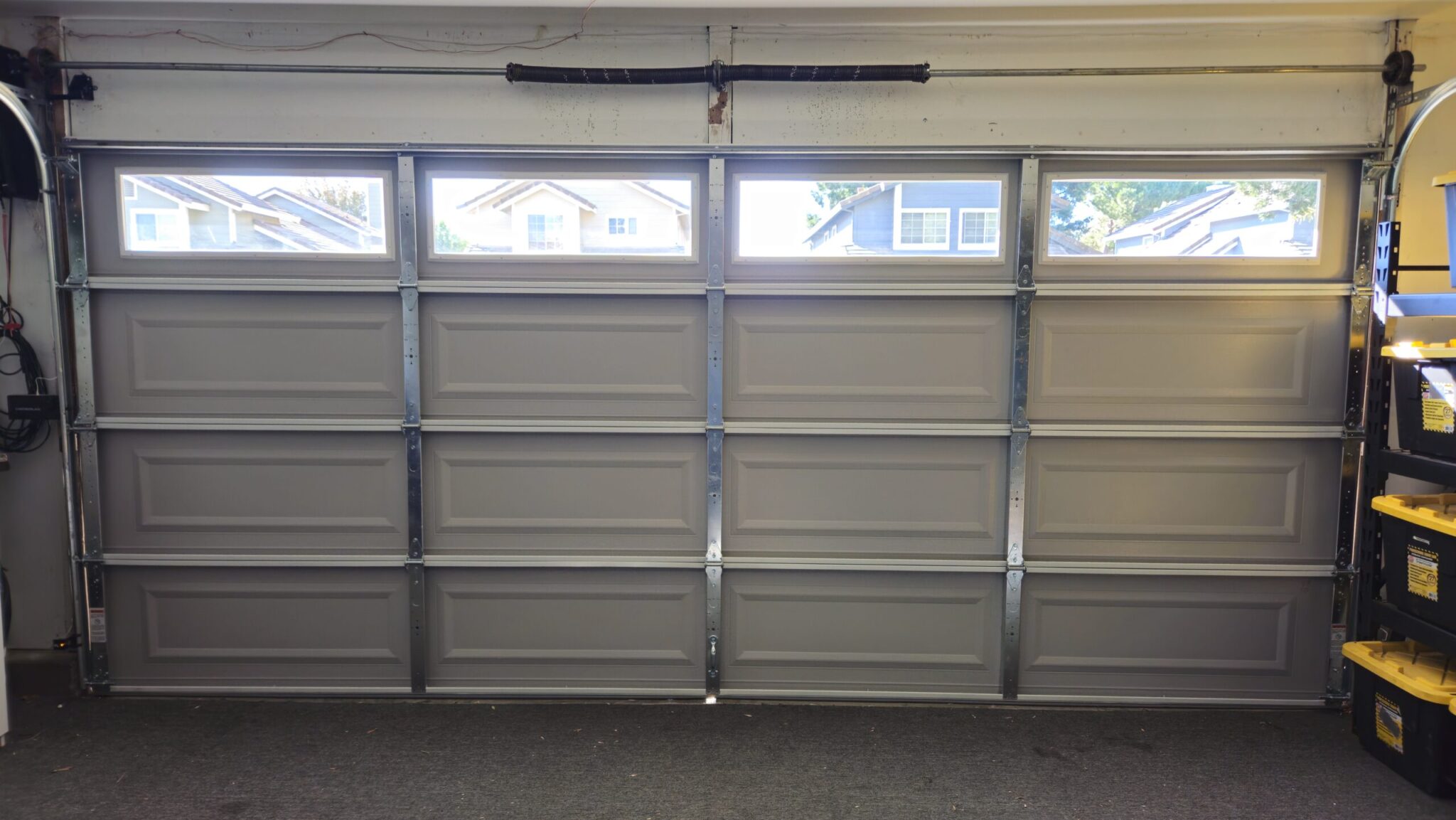
Insulated garage doors put foam between the steel layers. That foam resists heat flow — measured as an R-value. The higher the R-value, the better the door resists temperature transfer. Most residential insulated doors fall between R-6 and R-18 depending on construction.
There are two types of foam used:
- Polystyrene — rigid foam panels inserted between the door layers, often paired with a vinyl backing. Less expensive, decent R-value, used in most mid-range insulated doors.
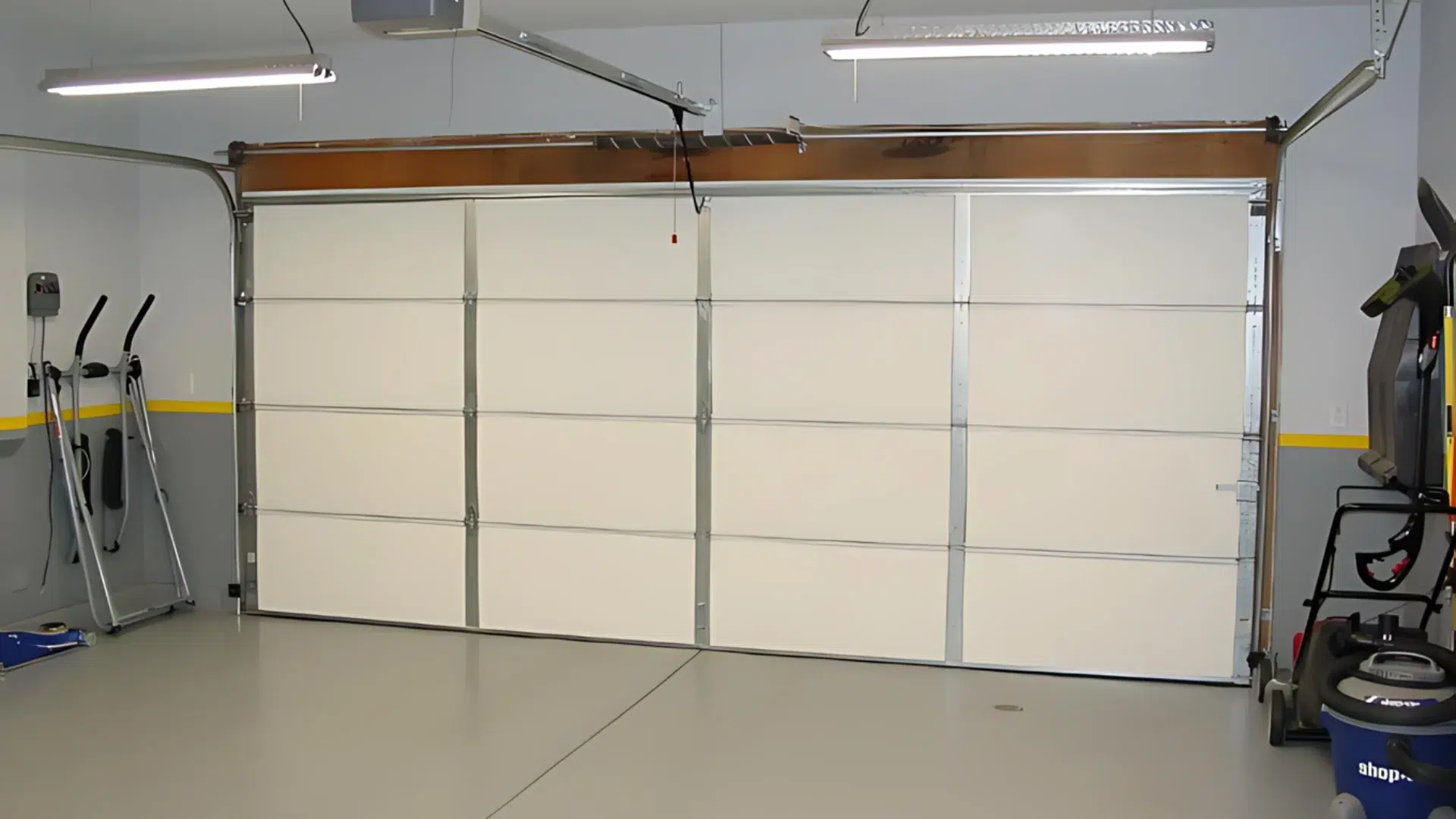
- Polyurethane — foam injected directly into the door cavity, expanding to fill every gap. Higher R-value per inch, bonds to the steel for added rigidity, and results in a noticeably stronger, quieter door overall. This is what the steel-back insulated doors I install use.
Does It Actually Matter in the Bay Area Climate?
Here's where a lot of contractors give you a generic national answer that doesn't fit our region. So let me give you a local one.
Contra Costa County has one of the more variable microclimates in the Bay Area. Martinez, Concord, Walnut Creek, and Brentwood see summer highs regularly above 90°F — sometimes well above — while coastal cities like Benicia stay cooler. Inland Solano County cities like Vacaville and Fairfield are even hotter in summer.
We don't get the extreme Minnesota winters that most insulation marketing is written for. But we do get heat. And if your garage shares a wall with your living space — or if there's a bedroom above the garage — that heat transfer is real and it affects your AC load every summer.
The honest rule: if your garage is attached to your home, insulation matters. The garage acts as a thermal buffer zone between your conditioned living space and the outdoors. A non-insulated door on an attached garage in Concord or Brentwood means your AC is fighting the heat radiating through that shared wall all summer.
If you have a detached garage that's strictly for parking and storage, a non-insulated or lightly insulated door is probably fine. You're not conditioning that space and the heat transfer doesn't affect your home.
The Real Benefits Beyond Energy Savings
Energy efficiency gets most of the attention, but it's not the only reason insulated doors are worth considering:
Durability. Polyurethane foam bonds to both steel layers and essentially turns a two-layer door into a single rigid unit. The result is a door that's significantly more resistant to denting and warping than a single-layer steel door. I've replaced plenty of non-insulated doors that took minor hits from basketballs, bikes, or cars pulling in too close — single-layer steel dents easily. A steel-back insulated door is noticeably tougher.
Noise reduction. Insulation dampens both the sound of the door operating and outside noise coming in. If your garage shares a wall with a bedroom or living area, the difference is meaningful. Same goes for if you have neighbors close by — a steel-back door is just quieter in operation.
Temperature protection for stored items. Paint, chemicals, tires, car batteries, and most sporting equipment have a preferred temperature range. A garage that swings from 45°F in winter to 110°F in summer is hard on all of it. Insulation narrows that swing.
Resale value. Buyers notice. An insulated steel door in good condition reads as a quality upgrade. Non-insulated single-layer doors look and feel cheaper — because they are.
What R-Value Do You Actually Need?
Here's a practical guide based on what I see day to day in Contra Costa and Solano County:
Attached garage, bedroom or living space above or beside it: Aim for R-13 or higher. Polyurethane construction is worth the extra cost here. This is where insulation pays back the fastest.
Attached garage, used for parking and storage: R-6 to R-13 is reasonable. You'll get meaningful temperature control without paying for the highest-end construction.
Detached garage, used as a workshop or gym: R-6 to R-13 depending on how much time you spend in it. If you're working in there regularly in summer, insulation makes a real comfort difference.
Detached garage, parking and storage only: A non-insulated or light insulation door works. You're not conditioning the space and the energy savings won't be meaningful.
What I Install and Why
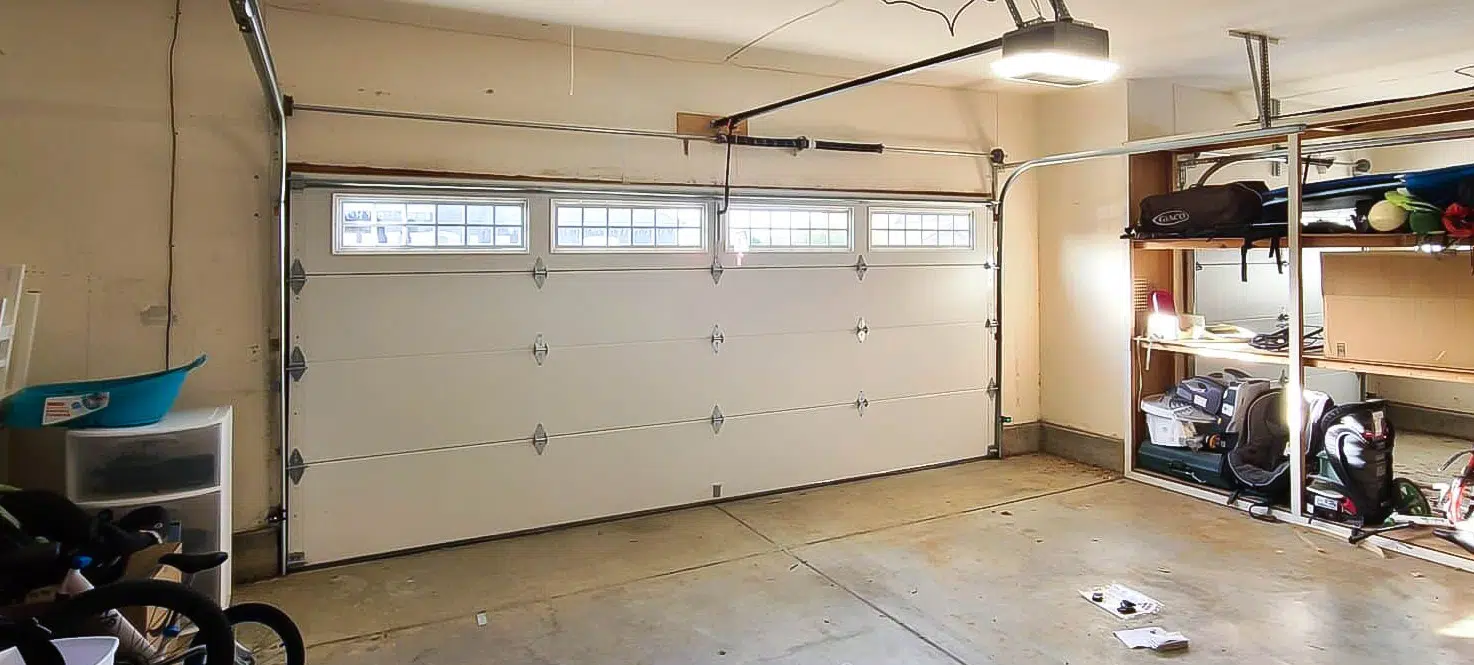
For most Contra Costa homeowners with attached garages, I recommend the steel-back insulated door — it's my most popular install for a reason. It's a triple-layer construction with polyurethane foam, gives you real R-value, and it's noticeably more solid and quiet than a single-skin door. The CHI doors I carry in this category are built well and hold up in our climate — you can see the full range of insulation levels on our garage door catalog.
I don't push insulation on every homeowner as a blanket upsell. If you have a detached storage garage in Walnut Creek and you're replacing an old door, I'll tell you whether insulation makes sense for your situation — and if it doesn't, I'll tell you that too. That's what The Honest Garage Door Company means.
If you're trying to decide what your home actually needs, give me a call. I'll look at your garage setup, your usage, and give you a straight answer. You can also browse our garage door catalog to see the door lines I carry across insulation levels, or check out our Build & Price page for transparent pricing on every option.
(925) 316-8384 | gengaragedoors.com
Dustin Cantu — Owner, Generational Garage Doors. Martinez, CA. CA Contractor's License #1113495.