Garage Door Roller Replacement
Loud, grinding, or jerky garage door? Worn rollers are usually the culprit. Fast, affordable roller replacement with premium sealed nylon options — installed by a real licensed contractor, not a call center.
Garage door roller replacement — worn, cracked, or noisy rollers are one of the most common reasons a garage door starts grinding, jerking, or running rough. Generational Garage Doors provides same-day roller replacement throughout Martinez, Concord, Pleasant Hill, Walnut Creek, Lafayette, Danville, San Ramon, Antioch, Pittsburg, Brentwood, Hercules, Vallejo, Benicia, Fairfield, Vacaville, and surrounding communities. Standard steel roller sets start at $99; premium sealed nylon upgrades run $180–$310 for a full set. Call or text (925) 316-8384 before 6 PM for guaranteed same-day service.
- Grinding or squealing noise
- Jerky, uneven door movement
- Cracked or flat-spotted rollers
- Roller jumped the track
- Excessive vibration when operating
Standard Steel Rollers
Builder-grade, durable, and budget-friendly. The most common factory option — reliable, but noisier over time as bearings wear.
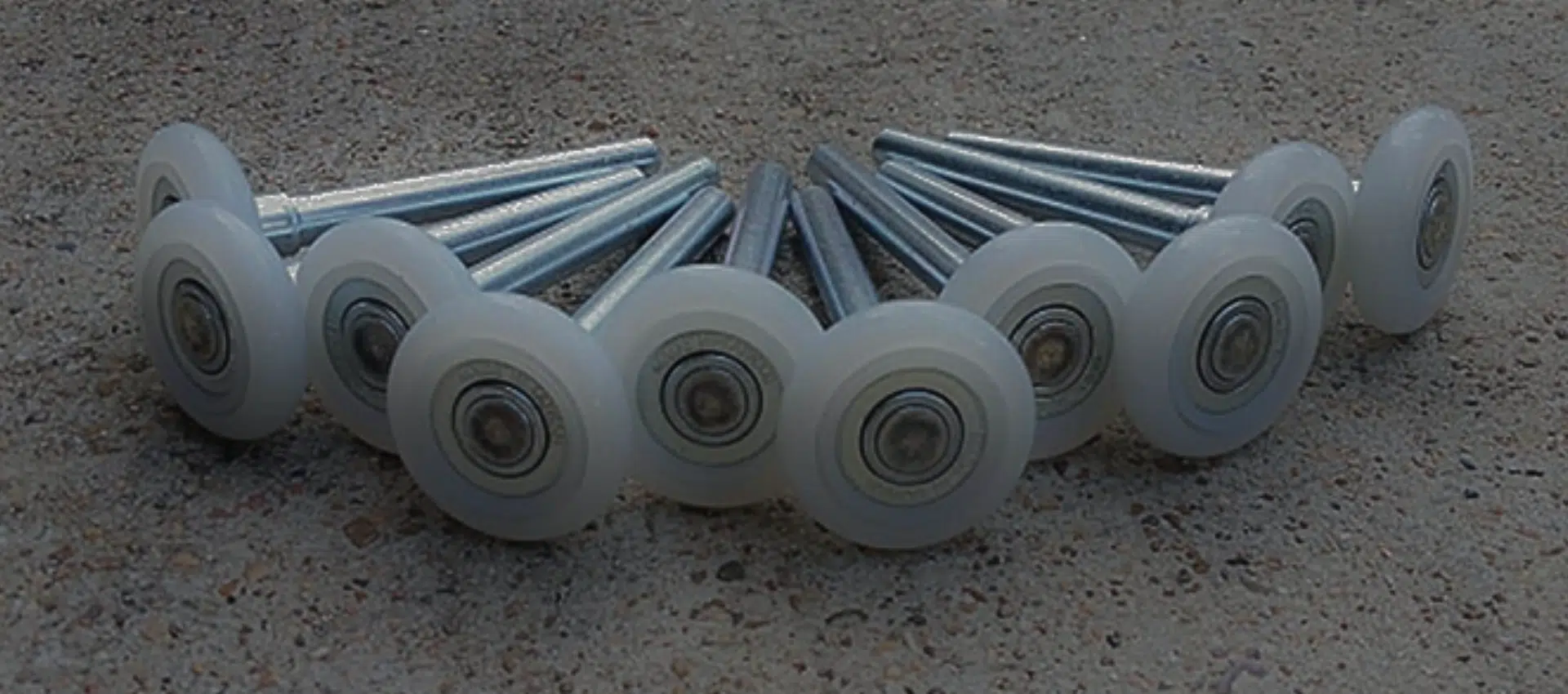
Premium Sealed Nylon Rollers
Our most popular upgrade. Sealed bearings run dramatically quieter, need less lubrication, and typically outlast steel rollers by years.
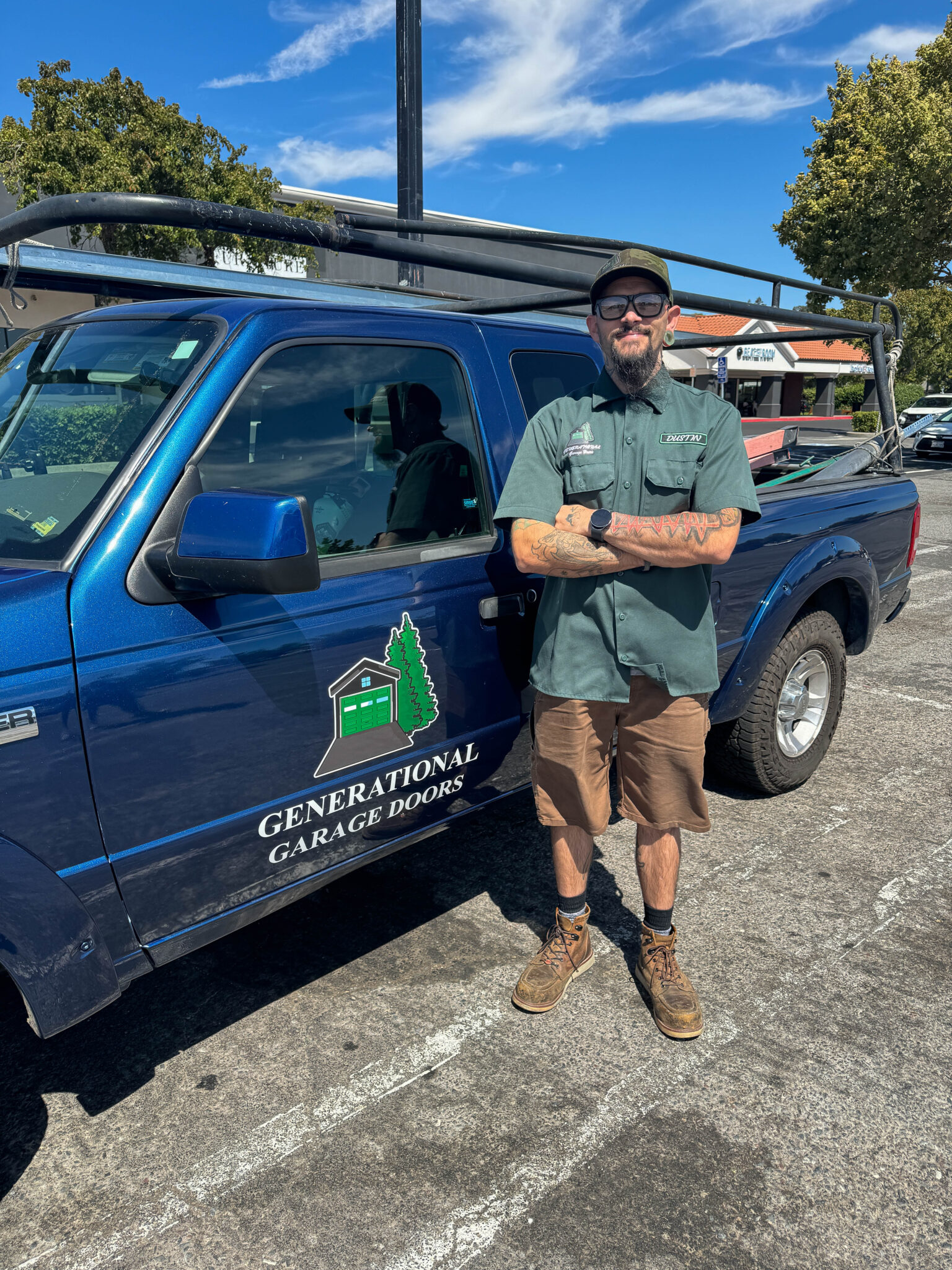
Work Directly with Owner Dustin Cantu
When you call Generational Garage Doors, you're talking directly to Dustin Cantu — a licensed California contractor (#1113495) who personally performs or oversees every repair. No commissioned upsells, no pushing nylon rollers if steel will do the job just fine — just an honest recommendation based on what your door actually needs.
Garage Door Roller Frequently Asked Questions
Clear answers on pricing, roller types, warning signs, and what to expect during a professional roller replacement.
What do garage door rollers do?
Rollers are the small wheels attached to each panel of your garage door that ride inside the vertical and horizontal tracks, guiding the door as it opens and closes. Most doors have 10–12 rollers depending on the number of panels. Worn, cracked, or misshapen rollers cause grinding noise, jerky movement, and in severe cases can jump the track entirely, leading to a jammed or derailed door.
What's the difference between steel and nylon rollers?
Steel rollers (often with exposed ball bearings) are the standard builder-grade option on most garage doors — durable but noisy, especially as they age and the bearings wear. Nylon rollers use a sealed bearing housed in a quiet nylon wheel, dramatically reducing noise and requiring less lubrication over time. Sealed nylon rollers cost more upfront but last significantly longer and run much quieter, which is why they're our most common upgrade recommendation.
How do I know if my garage door rollers need to be replaced?
Common signs: grinding or squealing noise during operation, visible wear, flat spots, or cracking on the roller wheel itself, the door moving jerky or unevenly instead of smoothly, a roller that has come out of the track, or excessive vibration when the door opens and closes. If lubrication doesn't quiet the noise within a day or two, the rollers themselves are likely worn out rather than just dry.
How much does garage door roller replacement cost?
A full set of standard steel roller replacements typically runs $99–$180. Upgrading to premium sealed nylon rollers runs $180–$310 for a full set, depending on door size and roller count. We always quote the full job upfront — no per-roller surprise pricing.
Do I need to replace all the rollers or just the damaged ones?
We almost always recommend replacing the full set. All the rollers on your door are the same age and have gone through the same number of cycles, so if one is failing, the others are typically not far behind. Replacing the full set at once costs only marginally more than replacing a few and saves you from a repeat service call in a few months.
How long does roller replacement take?
A standard full-set roller replacement takes about 45–75 minutes on-site. We carry both steel and premium nylon rollers on every truck, so the job is almost always completed in a single visit with no need to order parts.
Will new rollers make my garage door quieter?
Yes — in most cases roller noise is the single biggest contributor to a loud garage door, especially with older steel rollers. Upgrading to sealed nylon rollers alone often cuts noise dramatically. Pairing that with a belt-drive opener upgrade gets you close to whisper-quiet operation, which is especially popular for homeowners with a bedroom adjacent to the garage.
Can I replace garage door rollers myself?
The bottom and middle rollers are relatively low-risk to replace yourself if you're comfortable with basic tools. The top rollers, however, sit near the torsion spring and cable system under tension — working near that area without proper training carries real risk of injury. Most homeowners who start a DIY roller job end up calling us anyway once they get to the top rollers, so we generally recommend just having it done professionally from the start — it's a quick, affordable job for us.
Are you licensed and insured for roller replacement?
Yes — California Contractor's License #1113495. Fully licensed, bonded, and insured. You can verify our license directly on the California Contractors State License Board website.
Do you offer same-day roller replacement?
Yes — guaranteed same-day service when you call before 6 PM, 7 days a week. Roller replacement is one of our fastest and most common jobs, and we stock parts on every truck.
Why Contra Costa & Solano Homeowners Choose Generational Garage Doors

Licensed, Bonded & Insured
CA Contractor's License #1113495 — verifiable on the CSLB website.

High Quality Parts
Premium steel and sealed nylon rollers — never bargain components.

Fast Response
No AI agents. No automated phone trees. A real person, every time.
24/7 Availability
Day or night, call when you need us — we'll be there.

8+ Years Experience
Hands-on industry experience — we've seen and solved it all.

Chamber Member
Martinez Chamber of Commerce member supporting local business.
A Closer Look at Roller Replacement
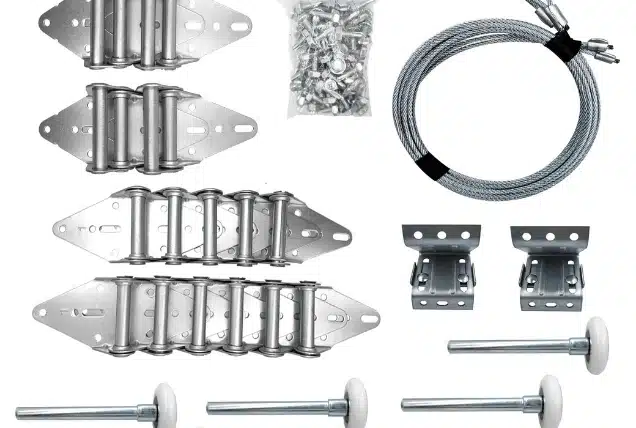
What roller replacement looks like — the hardware we install and the service we provide.

Premium sealed nylon rollers

Full lubrication & tune-up included
Same-Day Service Locations
We provide direct response garage door roller replacement to the following local communities:
Get Your Garage Door Running Smooth & Quiet Today
Don't live with a grinding, jerky garage door. We carry both standard and premium sealed nylon rollers on every truck, ready to get your door running quiet and smooth again, often same day.