
Why Pay? When you can do it yourself?
A malfunctioning garage door can be more than just an inconvenience; it can be a security risk and a major source of frustration. Don’t let a minor issue escalate into a costly repair. Understanding common garage door problems and knowing when to tackle them yourself or call a professional can save you time, money, and headaches.
Here’s a comprehensive guide to common garage door issues and their effective solutions, including DIY garage door tips for those problems you can tackle yourself:
1. Trouble Opening or Closing: The Door’s Not Responding
This is a broad problem with several potential culprits. Don’t panic, but systematically investigate before jumping to conclusions.
- Check the Door Balance: A properly balanced garage door should be relatively easy to lift manually and stay in place around halfway up.
- How to Test (DIY Garage Door Tip): Disengage the opener (usually by pulling the emergency release cord – consult your manual for specifics). Manually lift the door to about chest height. If it holds its position, the springs are likely in good working order. If it slams down or shoots up, the balance system (springs) is off.
- Solution: If the door is unbalanced, DO NOT attempt to adjust the springs yourself. This is incredibly dangerous due to the high tension. Call a professional like Generational Garage Doors immediately.
- Test the Power Supply (DIY Garage Door Tip): It sounds obvious, but sometimes the simplest solution is the right one.
- How to Check: Ensure the garage door opener is plugged securely into a working outlet. Check your home’s circuit breaker box to see if the fuse for the garage or the opener itself has tripped.
- Solution: Reset the circuit breaker if it’s tripped. If the outlet isn’t working, try plugging in another appliance to confirm. You might need to check the opener’s internal fuse if accessible (refer to your manual).
- Remote Control/Wall Button Issues (DIY Garage Door Tip): Sometimes the problem isn’t the door, but the command.
- How to Check: Try using both your remote control and the wall-mounted button. If one works and the other doesn’t, the issue is likely with the non-working device.
- Solution: See “Dying Opener” and “Transmitter Problems” below for more detailed solutions.
2. Blocked Safety Sensors: The Invisible Barrier
Most modern garage doors have safety sensors at the bottom of the tracks that prevent the door from closing on obstructions. If these are blocked or misaligned, the door won’t close.
- Clear the Path (DIY Garage Door Tip): Even a small leaf, spiderweb, or piece of debris can block the sensor’s infrared beam.
- How to Check: Look for small, usually black boxes on either side of the garage door opening, a few inches off the ground. There will be an indicator light on at least one of them. If the light is off or flickering, the beam is interrupted.
- Solution: Carefully clear any obstructions. Use a soft cloth to wipe off the lenses of both sensors.
- Check Alignment (DIY Garage Door Tip): The sensors must be perfectly aligned with each other for the beam to connect.
- How to Check: The indicator lights on both sensors should be solid. If one is blinking or off, they are out of alignment.
- Solution: Gently adjust the sensors until the indicator lights are solid. Some sensors have small wing nuts or screws for adjustment. Be patient; it might take a few tries.
3. Broken Springs: A Critical and Dangerous Issue
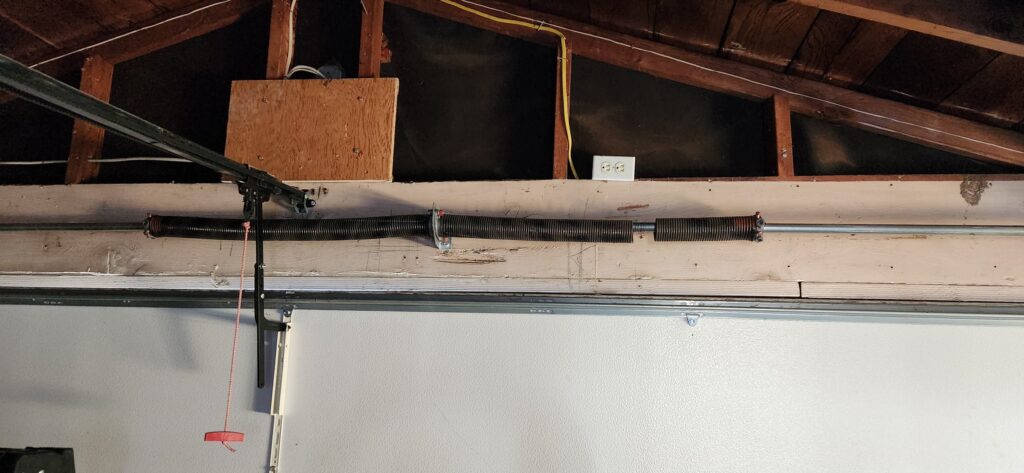
Garage door springs (torsion or extension) are under immense tension and are crucial for lifting the heavy door. A broken spring will make it impossible for your opener to lift the door, and it poses a significant safety hazard.
- Warning Sign: You might hear a loud “bang” from the garage when a spring breaks. The door will feel incredibly heavy, and the cables might appear loose or frayed.
- Critical Safety Note: NEVER attempt to repair or replace broken garage door springs yourself. The tension stored in these springs can cause severe injury or even death if mishandled. This is NOT a DIY garage door task.
- Solution: Immediately contact a professional garage door repair expert like Generational Garage Doors. They have the specialized tools and training to safely replace broken springs.
4. Roller Issues: Noisy or Sticky Movement
Rollers guide the garage door along the tracks. Worn, dirty, or unlubricated rollers can lead to noisy operation and jerky movement.
- Lubricate Regularly (DIY Garage Door Tip): Friction is the enemy of smooth operation.
- How to Check: Listen for squeaking, grinding, or sticking as the door moves. Visually inspect the rollers for signs of dirt or wear.
- Solution: Apply a silicone-based garage door lubricant (not WD-40, which can attract dirt) to the bearings or axles of the rollers. Roll the door up and down a few times to distribute the lubricant. Aim for lubrication every 3-6 months.
- Replace Worn or Damaged Rollers (Partial DIY Garage Door Tip): Rollers do wear out over time.
- How to Check: Look for cracked wheels, bent axles, or excessive wobble in the rollers.
- Solution: If rollers are severely worn or damaged, they should be replaced. This is a task that many handy homeowners can tackle, but if you’re unsure, or if the rollers are attached to the bottom brackets (which are under spring tension), it’s best to call a professional.
5. Dying Opener: Remote, Keypad, or Motor Troubles
The garage door opener itself can experience various problems, from simple battery issues to major motor malfunctions.
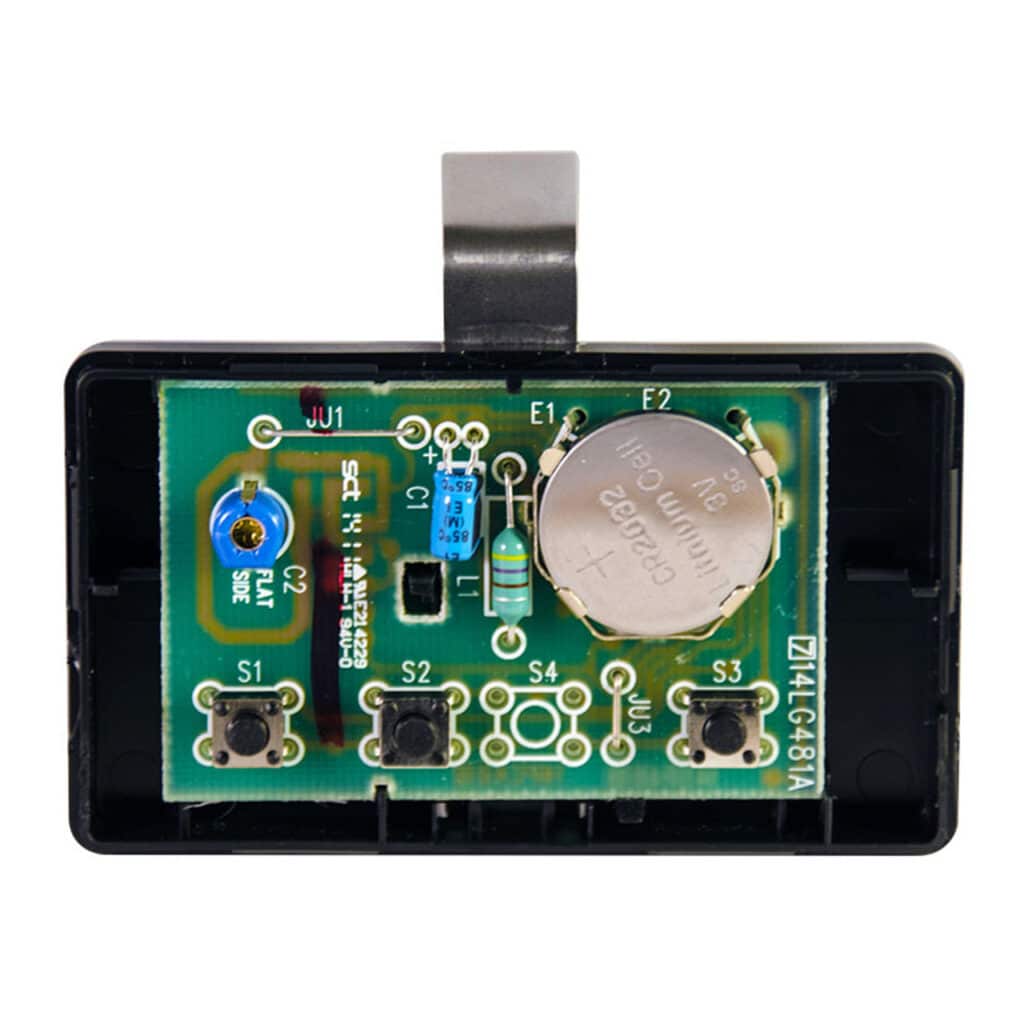
- Check the Batteries (DIY Garage Door Tip): This is the most common and easiest fix for a non-responsive remote or keypad.
- How to Check: Try replacing the batteries in your remote control and wireless keypad.
- Solution: Replace with fresh batteries.
- Inspect the Motor Unit: The motor is the heart of your opener.
- How to Check: Listen for unusual grinding, buzzing, or clicking noises from the motor unit. Observe if the motor is overheating or emitting a burning smell. Older units may simply wear out.
- Solution: If the motor sounds strained, overheats, or simply stops working, it often indicates a need for professional repair or replacement. This is generally not a DIY garage door repair. Contact Generational Garage Doors to diagnose and recommend the best course of action.
- Antenna Issues (DIY Garage Door Tip): Sometimes, the signal isn’t reaching the opener.
- How to Check: On your garage door opener motor unit, locate the thin wire antenna. Ensure it’s hanging freely and isn’t tucked away or obstructed.
- Solution: Gently straighten and reposition the antenna so it’s fully extended.
6. Unusual Noises: Your Door is Talking to You
Squeaks, grinding, rattles, and pops are all signs that something isn’t right with your garage door.
- Identify the Source (DIY Garage Door Tip): Try to pinpoint where the noise is coming from.
- Squeaking/Screeching: Often indicates a need for lubrication (rollers, hinges, springs).
- Grinding/Scraping: Could be misaligned tracks, worn rollers, or debris in the tracks.
- Rattling: Loose nuts, bolts, or components.
- Popping: Often associated with the spring system or cables.
- Solution:
- Lubricate (DIY Garage Door Tip): Start by thoroughly lubricating all moving parts (rollers, hinges, springs, bearings).
- Tighten (DIY Garage Door Tip): Inspect all nuts and bolts on the tracks, hinges, and opener mounting brackets. Tighten any that are loose.
- Professional Help: If you can’t pinpoint the issue, or if the noise persists after basic lubrication and tightening, call a technician from Generational Garage Doors for a thorough diagnosis and repair. Ignoring persistent unusual noises can lead to more significant damage down the line.
7. Uneven Door: When It’s Not Level
An uneven garage door, where one side is higher or lower than the other when closed, is a clear sign of a problem.
- Clear Obstructions (DIY Garage Door Tip): Start with the simplest possibility.
- How to Check: Look for any debris, objects, or even ice buildup that might be preventing one side of the door from fully closing or opening.
- Solution: Remove any obstructions.
- Check Alignment (Tracks): The tracks the door runs in must be parallel and plumb.
- How to Check: Visually inspect the vertical and horizontal tracks for bends, damage, or misalignment. You can also use a level to check.
- Solution: Minor track adjustments might be possible for a seasoned DIY garage door enthusiast, but significant bends or damage often require professional intervention.
- Inspect Springs and Cables: This is often the primary cause of an uneven door.
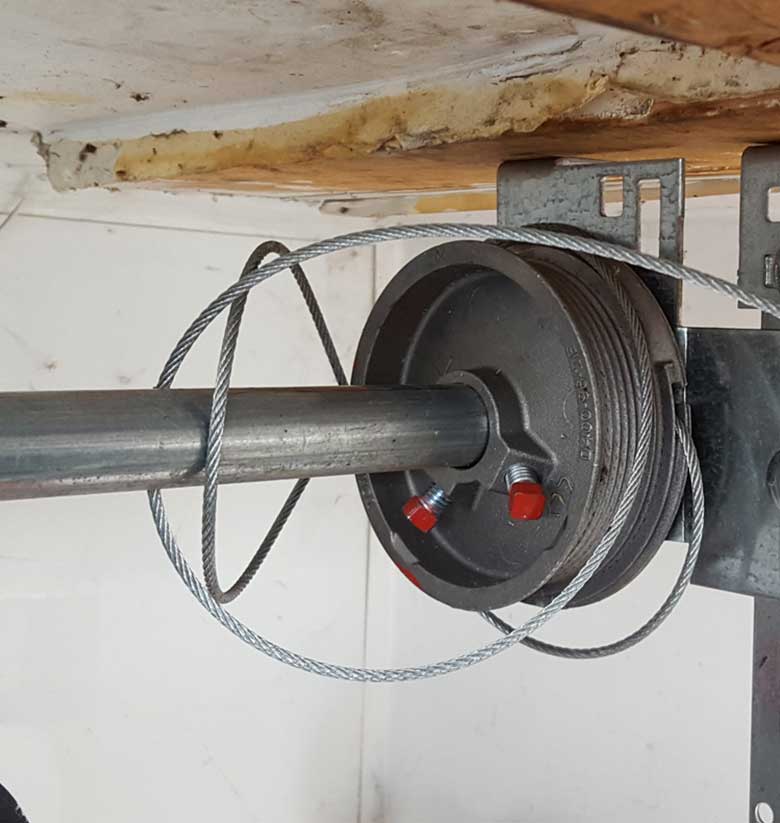
- How to Check: Look for frayed or broken cables, or an imbalance in the tension of the springs. One cable might have come off its drum.
- Solution: If you suspect an issue with springs or cables, DO NOT attempt to fix this yourself.These are under high tension and extremely dangerous. Call a professional like Generational Garage Doors immediately.
8. Slow Opening or Closing: Sluggish Movement
A garage door that moves sluggishly can be frustrating and may indicate underlying issues.
- Lubricate Moving Parts (DIY Garage Door Tip): Friction is a common cause of slow movement.
- How to Check: Observe if the door struggles or moves jerkily, especially after not being lubricated recently.
- Solution: Regularly lubricate the rollers, hinges, and springs with a silicone-based garage door lubricant. This should be part of your routine maintenance.
- Clean the Tracks (DIY Garage Door Tip): Dirt, grease, and debris can accumulate in the tracks, creating resistance.
- How to Check: Visually inspect the tracks for grime buildup.
- Solution: Use a damp cloth to wipe down the inside of the tracks. Avoid using harsh chemicals that could damage the finish.
- Balance Issues: A door that’s out of balance will put more strain on the opener, causing it to work harder and move slower.
- Solution: Refer back to “Trouble Opening or Closing – Check the Balance” and if needed, call a professional.
9. Transmitter (Remote) Problems: Your Clicker Isn’t Working
When your remote isn’t communicating with the opener, it’s usually a simple fix.
- Replace Batteries (DIY Garage Door Tip): The most common culprit.
- Solution: Replace weak or dead batteries in your remote control.
- Check for Interference (DIY Garage Door Tip): Sometimes, signals can be blocked.
- How to Check: Ensure there are no physical obstacles between your remote and the garage door opener unit. Large metal objects or even certain electronic devices can sometimes cause interference.
- Solution: Try operating the remote closer to the opener unit. If you have multiple remotes, test them all.
- Reprogramming (DIY Garage Door Tip): Remotes can sometimes lose their programming.
- Solution: Refer to your garage door opener’s manual for specific instructions on how to reprogram your remote control. This usually involves pressing a “learn” button on the opener unit and then pressing a button on your remote.
10. Keypad Not Synced: Outdoor Access Issues
Similar to remotes, wireless keypads can lose their connection or have battery issues.
- Check the Manual (DIY Garage Door Tip): Every garage door opener model has slightly different programming steps for keypads.
- Solution: Refer to your garage door opener’s manual for specific instructions on syncing or reprogramming your keypad. It often involves a “learn” button on the opener and a sequence of key presses on the keypad.
- Replace Batteries (DIY Garage Door Tip): Keypads run on batteries too!
- Solution: Weak or dead batteries in the keypad can cause synchronization issues or complete failure. Replace them with fresh ones.
When to Call a Professional: Don’t Take Chances!
While many minor garage door issues can be addressed with a bit of DIY garage door troubleshooting, there are critical situations where attempting a repair yourself can be dangerous or lead to more extensive damage.
Always call a professional garage door repair technician if:
- Broken Springs: This is non-negotiable. Spring replacement requires specialized tools and expertise due to the extreme tension.
- Damaged Cables: Frayed, broken, or slipped cables are often related to spring tension and should only be handled by a professional.
- Bent Tracks: Significant track damage can prevent the door from moving properly and may require specialized tools for repair or replacement.
- Opener Motor Problems: If the motor itself is failing or making unusual noises, it’s best to have a trained technician diagnose and repair or replace it.
- Complex Electrical Issues: If you suspect wiring problems or issues within the opener’s circuit board.
- You’re Unsure or Uncomfortable: If you’re not confident in your ability to safely and effectively address a problem, err on the side of caution and call an expert.
Choose Generational Garage Doors for Reliable Garage Door Repair
When your garage door needs expert attention, don’t settle for anything less than the best. Generational Garage Doors offers comprehensive and reliable garage door repair services. Our experienced, certified technicians are equipped with the knowledge and tools to handle a wide range of issues, from routine maintenance and simple DIY garage door follow-ups to complex spring replacements and new opener installations.